Category Archives: Gardens

Four Ways To Add Color To Stick Season

I think it’s safe to say that the last gasp of summer is now behind us. That fact, paired with the latest COVID restrictions on social interactions here in Vermont, point to more time for reading and digging into creative outlets, online and otherwise.

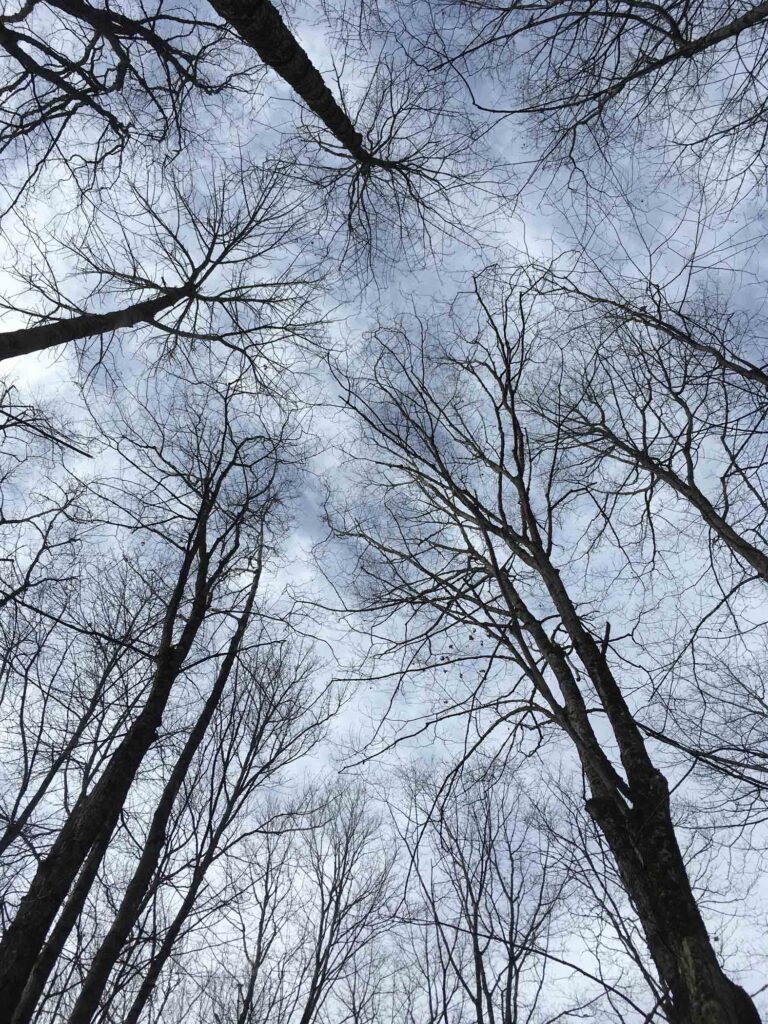
November Trees

It’s a time when we can all use a bit more color in our day-to-day, so I thought I’d share a few of the things that have brightened my outlook:

  • I’ve been enjoying the American Craft Council’s weekly post “The Queue”. It’s a series of interviews with 2020 ACC Awards honorees, often including a short video of the artist. The ACC is a wonderful resource; I encourage you to spend some time exploring the Stories section of their website. The satirical sculptures of recently featured Bob Trotman caught my eye several years ago, so I was happy to become reacquainted with his work on a deeper level via “The Queue”. With a background in philosophy, not art, Trotman was originally most interested in studying the idea of the individual. But as he developed an art career, his concerns turned toward examining the machinations of society. As a result, his artistic commentary is largely aimed toward money and power in America.
    Considering the unprecedented behavior we have been witnessing from our out-going president and his enablers, Trotman’s powerful voice is more resonate than ever.
  • Another resource that delicately walks the line between delightful and educational is Vermont painter Susan Abbott’s Painting Notes Blog. Always enriching without being didactic, Susan shares her extensive knowledge of art history from both a visual and personal angle. She shines a contemporary light upon the artists and works that have gone before us, and who have laid a path for us to follow. If you’re interested in book suggestions from Susan, look for her generous response to my question at the very end of the comments section of this post.
  • Beginning with the lock-down last spring, several major textile organizations joined forces to offer weekly “Textile Talks” — video presentations and panel discussions that surround a huge variety of subjects related to textile art.
    All can be accessed via YouTube.
    The recent “creative discussion” between color icon Kaffe Fassett and his niece Erin Lee Gafill covers their personal history as well as the habit they’ve developed of painting side-by-side. They’ve recently released a book of these parallel works called Color Duets. Anyone who knows and admires Fassett’s work and his long, illustrious career will enjoy the conversation. Particularly inspiring is the way Fassett straddles different media while maintaining the consistent thread (sorry for the pun) of color.
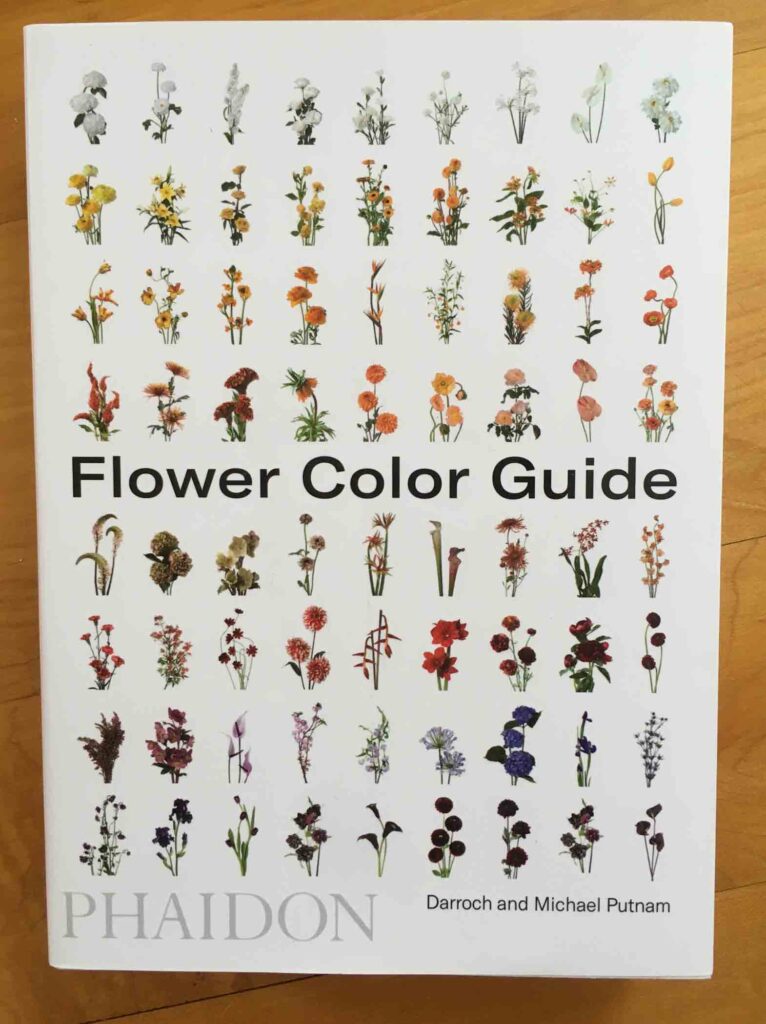
  • And finally, if you too are a student of color, you know it’s hard to beat a garden – flower or vegetable – for the lessons it can teach. Our beds may be all buttoned up for the winter, but even as the snow flies we can dream about next year’s glory…while learning a thing or two along the way. Two resources that will be scratching the color itch for me this winter are Darroch and Michael Putnam’s Flower Color Guide and the Floret Flowers website.  There are plenty of lessons to be gleaned from each, but perhaps more importantly during these crazy, stressful days, they both offer pure, visual delight.

Flower Color Guide

With Thanksgiving just around the corner, I can’t let the occasion pass without saying how grateful I am that you choose to join me here every other week, sharing your ideas and comments along the way. Please accept the suggestions above as a token of my gratitude. Be well and wear your mask. We’re all in this together.

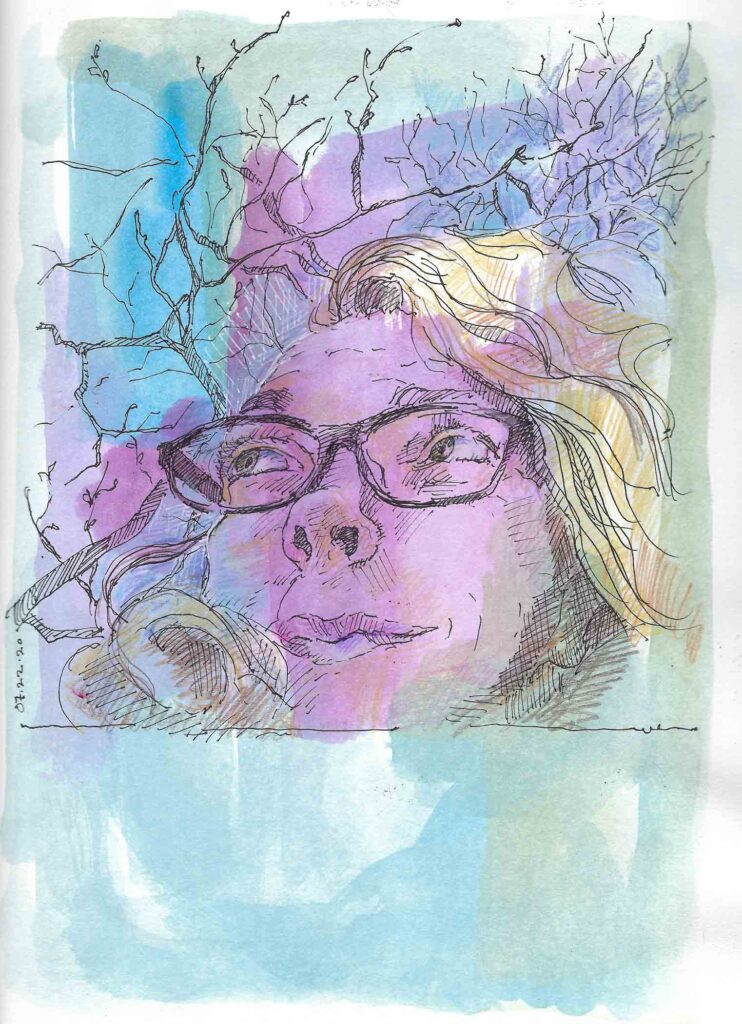
Linda

Linda    ©2020 Elizabeth Fram, Ink, graphite, and colored pencil on paper, 11 x 8.8 inches. It’s always fun to see what each person chooses to include in the selfie they send me, because it’s a further window into who they are. Linda made the paper batik behind her and I think it’s an apt reflection of her bright spirit. All 13 pieces in my COVID-19 Selfie series can be seen together on my website.

The Comfortable Reliability of Change

A friend, who understandably seeks mid-day breaks from her job’s unrelenting stream of Zoom meetings, recently asked me if I found what I do equally challenging because I seemingly need to sit in one place for long periods each day. My quick answer was no.
While there are plenty of long stretches when I am stitching or drawing, there are so many other elements to what I do that I can easily stop at any time and move into another phase of the work (or, for that matter, to take Quinn for a walk, do a bit of weeding, throw in a load of laundry or do the breakfast dishes, etc.). The ace up my sleeve, aside from the fact that I am in charge of my own schedule, is change – it keeps things fresh and it keeps me interested.

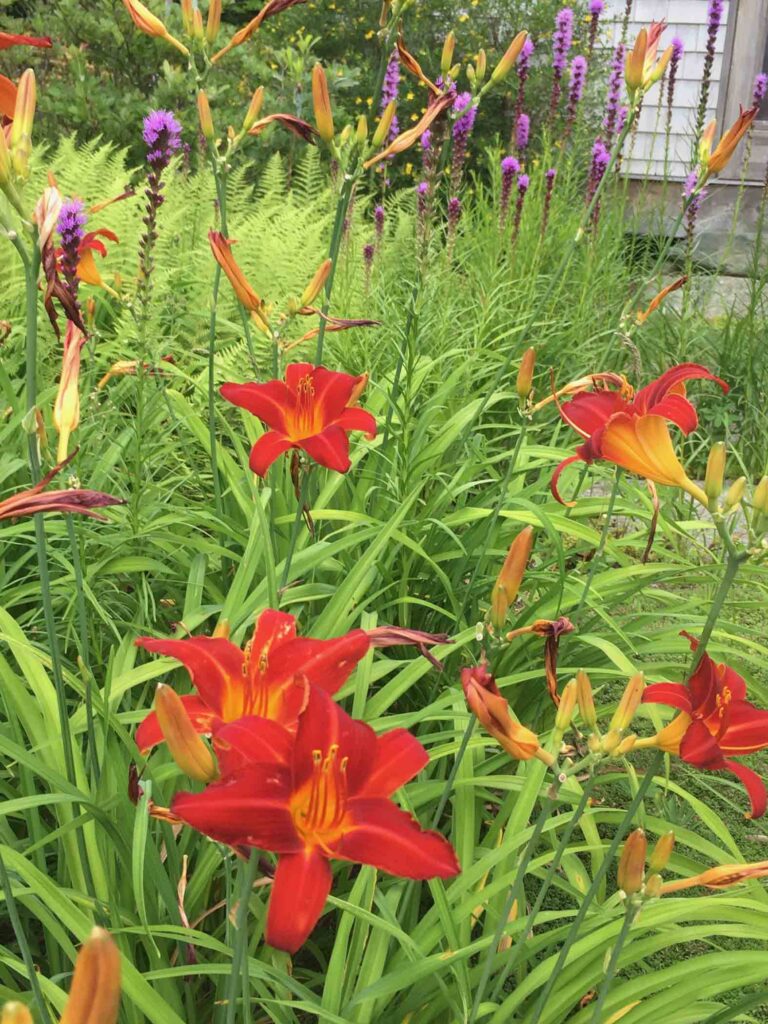
Daylilies & Liatris

The color combo of these daylilies and liatris makes any trip to the veggie garden or compost bin pure pleasure.

That fact is just as true for living in an environment where the landscape is in constant flux because of the seasons. Those changes set a rhythm and a tone, not only shaking things up, but also offering a sense of reassurance in their constancy.

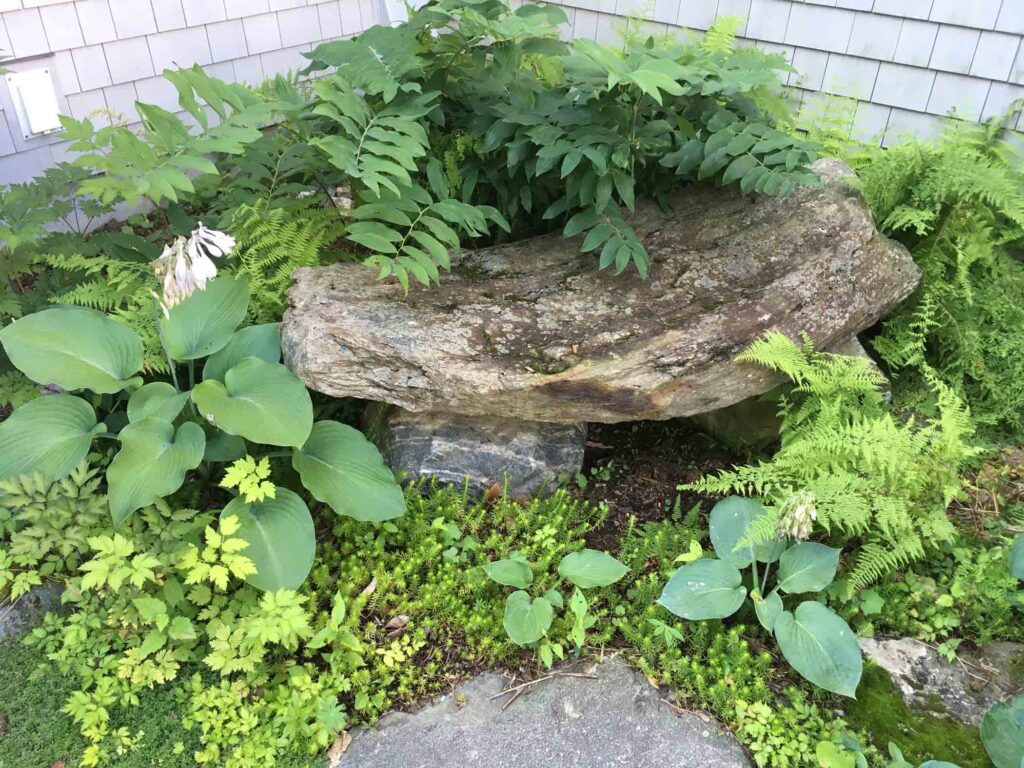
Garden Bench

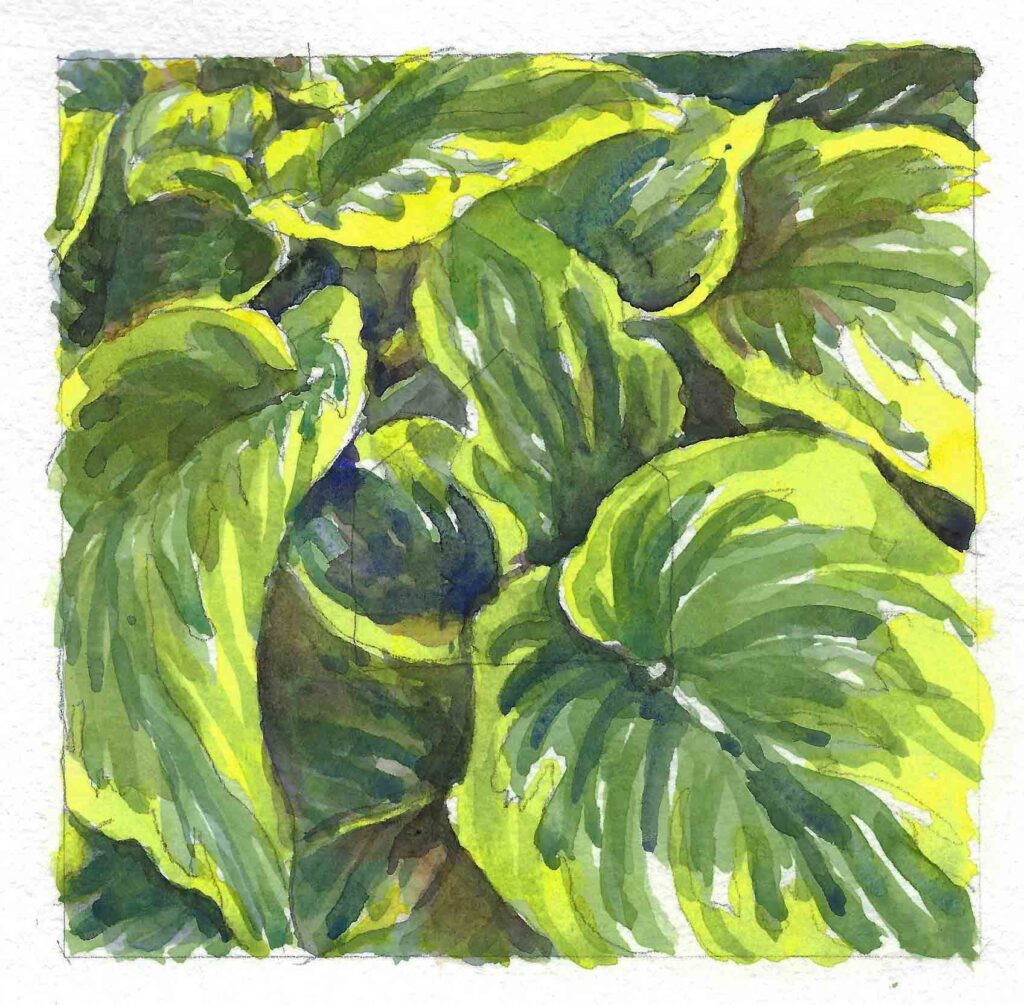
When the view out the window is subdued for many, many months, one can’t help but revel in the variety of tones and the lushness of texture to be found in a composition of greens.

Personally, I find contentment in the muted colors of November through March, enjoying the visual calm after the fiery hues of fall. In a strange way, the lack of color outside during that time of the year, makes my work with color inside all the more inspiring. And not to be discounted, there is no truer light in the studio than on a snowy day. But I also look forward to the rejuvenation that comes with the early blush of maroon and lime-green as trees flower and begin to leaf-out across the hills in April and May, knowing that there will be a fuller and brighter spectrum to follow.

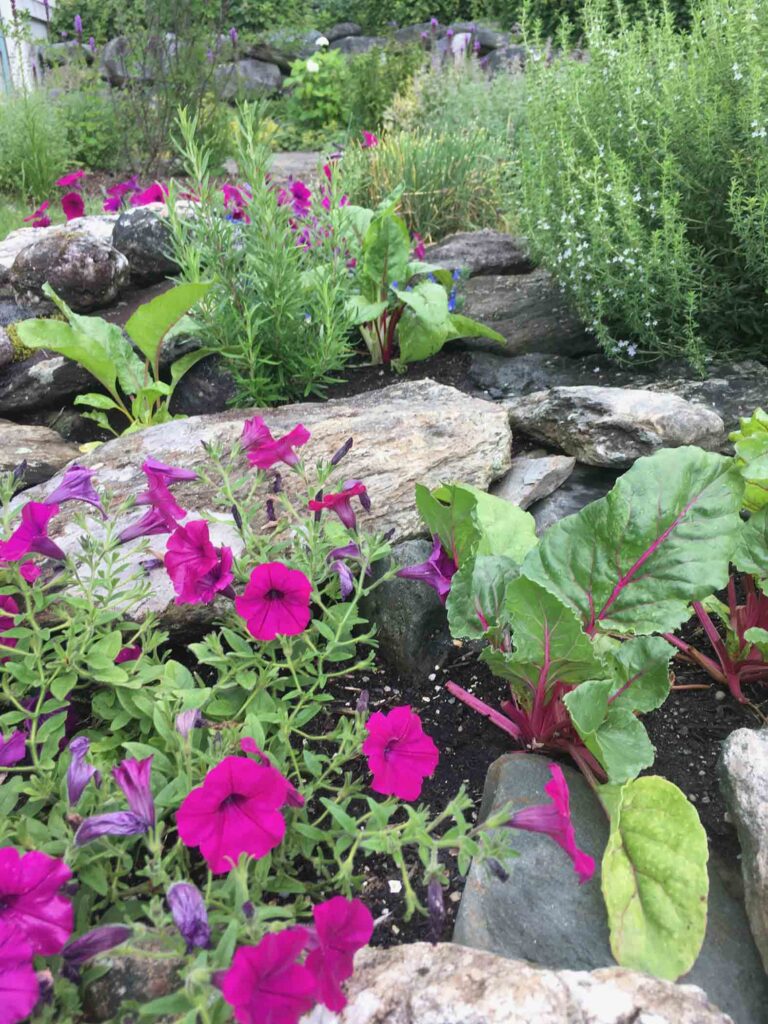
Herb Spiral

In 2012 I built a stone herb spiral that is usually reserved for herbs and flowers. This year I had a few leftover Rainbow Chard seeds that I took a chance would sprout there and that I hoped would be ignored by the critters. Success on both counts! But even more rewarding is the jolt of color in the magenta central stems and veins of the chard leaves, humming alongside the singing petunias.

On a visual scale, summer is its own entity. This is the one short season when we have a measure of control and can choose for ourselves, via our gardens, the colors that surround us. Is it any wonder that so many artists garden and so many gardeners are artists? There is a Monet quote: “I perhaps owe having become a painter to flowers”. I think every artist carries within them a bit of that sentiment. One of my earliest posts celebrated the garden of artist David Stearns. It remains one of the loveliest home gardens I’ve ever had the pleasure of visiting.

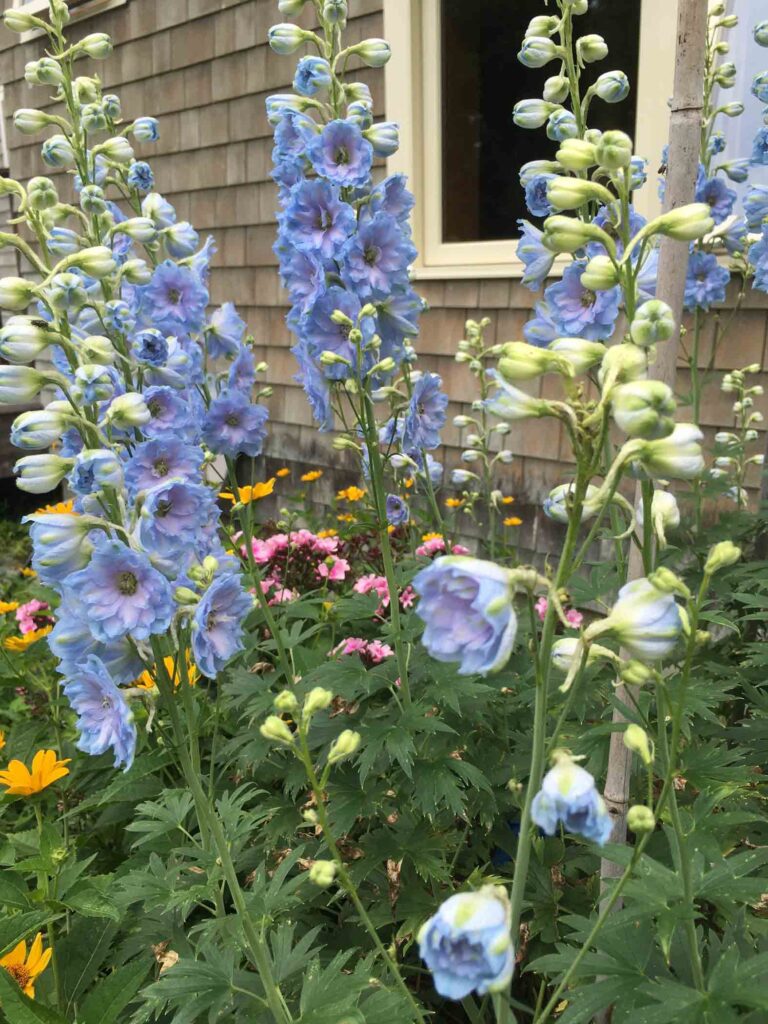
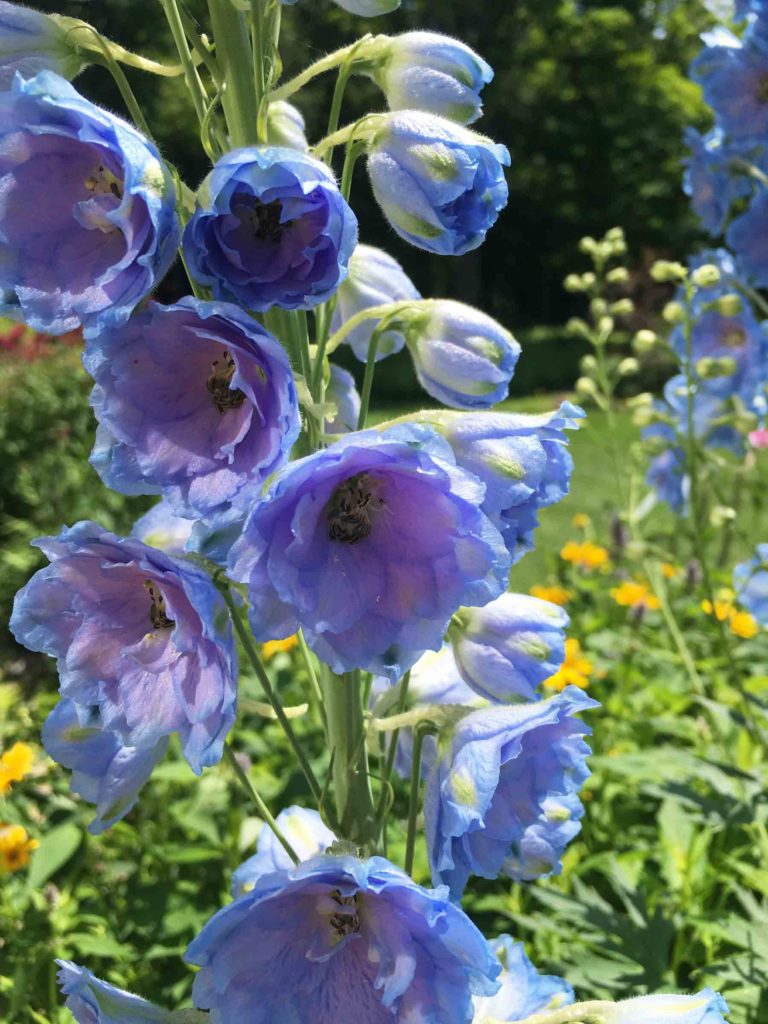
Delphiniums

If there is one plant I eagerly await each year, it’s this delphinium. It adds so much to my front bed in height, shape, and glorious color. It’s situated so that I can enjoy it from inside as well. And each winter, when the snow slides off the roof in that spot, piling up to just about the same height, I think of this beauty that lies in wait for mid-July.

This year my garden has been a refuge unlike ever before. The bright colors and gentle scents are a salve during a point in time one might metaphorically equate with winter. While it’s been hotter and drier than usual and some plants are doing better (and others worse) than last year, I am always amazed to know I can expect each plant to reappear and then come into its own within 3-5 days of the date it did every summer before. Heck, I can even count on the Japanese beetles to show up around the same week each year. Good or bad, I find a great deal of comfort in this reliability — especially now, when so much in the world seems out of control.

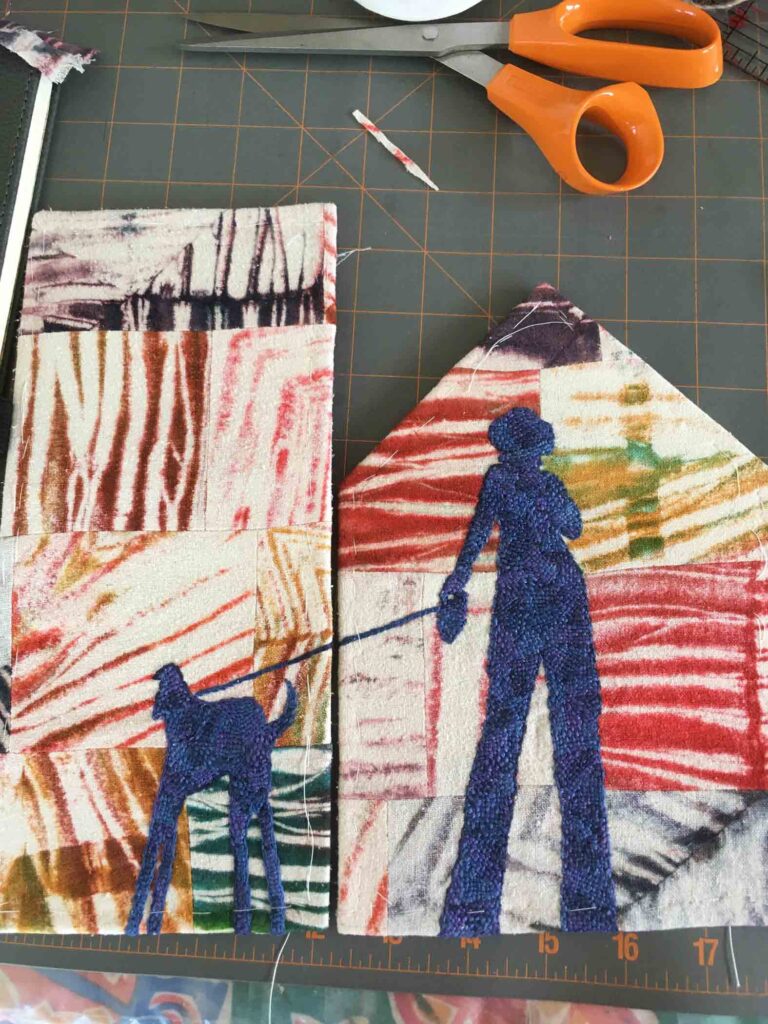
Work In Progress

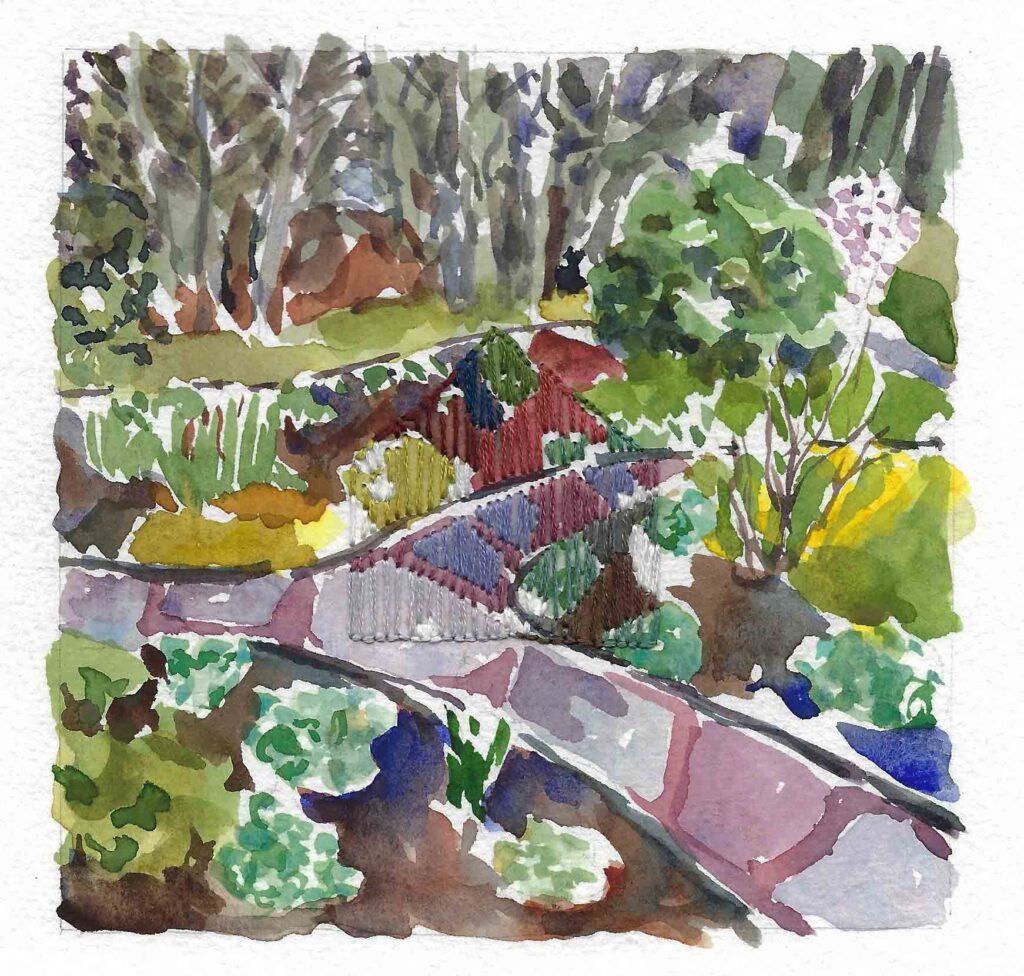
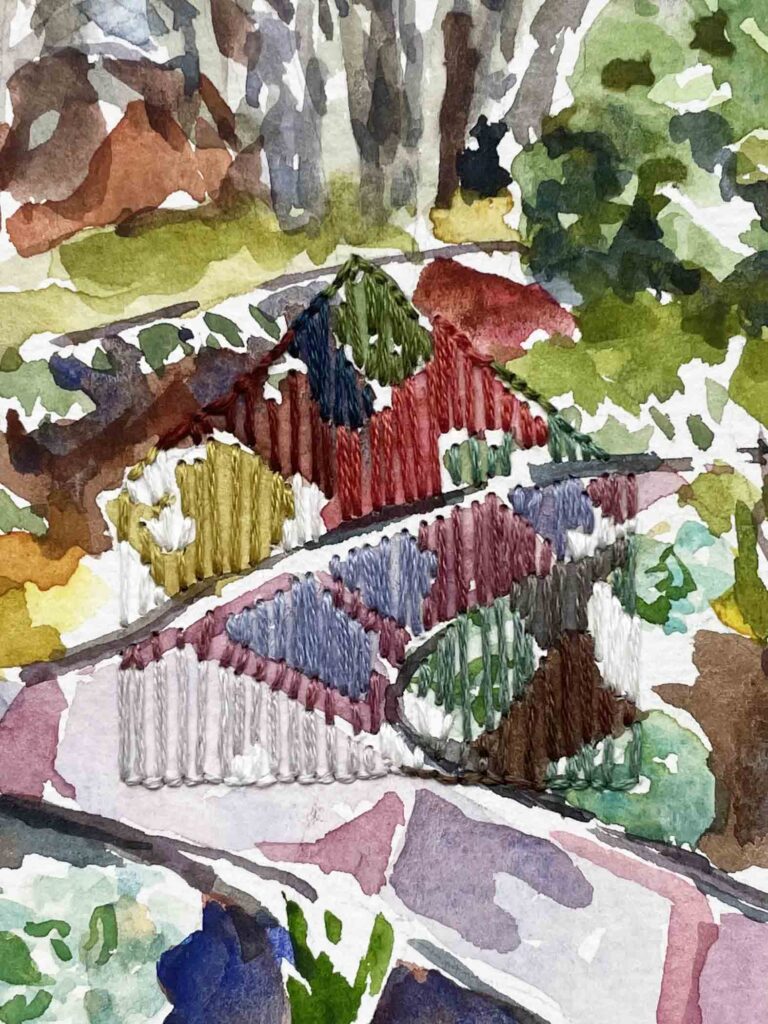
Work in progress: This new house I’m currently working on is a reflection of the joy our yard and garden are bringing to me this summer. It celebrates the myriad colors that surround me and the sense of home and hope that comes from watching all our plants cycle in and out, the same as they do every year.

But just as dependably, the seasons come and they go. The bright colors that are so enjoyable now, will transition to deeper shades before fading altogether. So, I find it worth thinking about and appreciating the oxymoron of the consistency to be found in change, and how that lends the gift of both excitement and stability to our day-to-day existence.

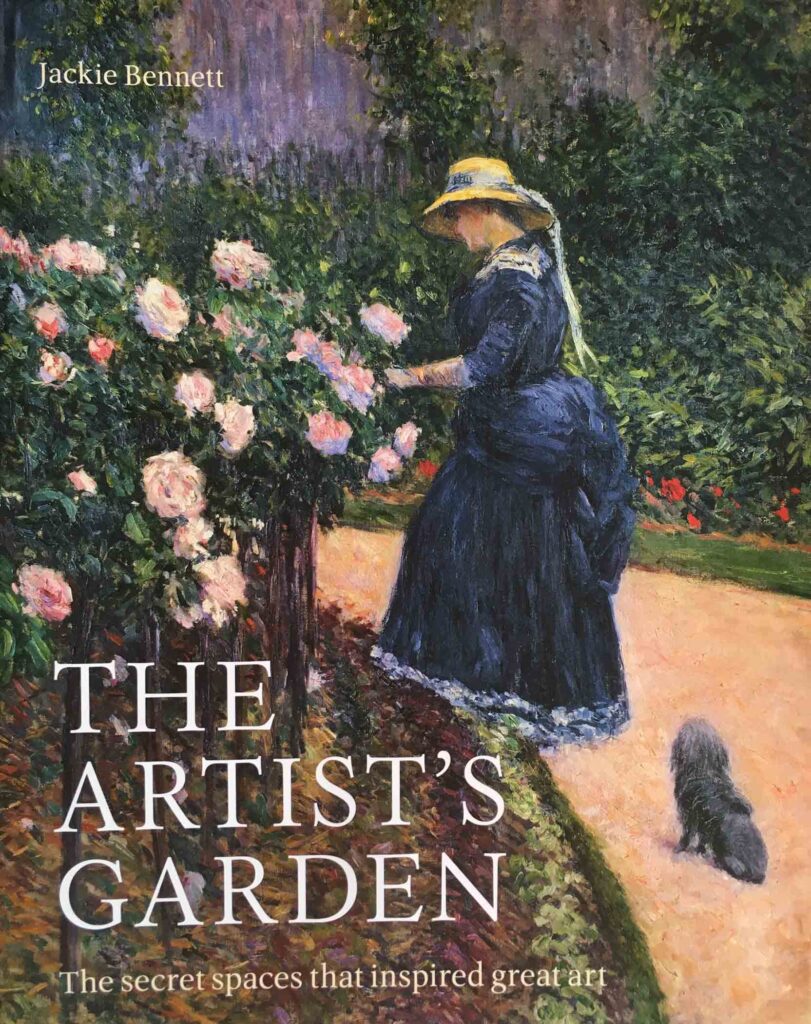
The Artist's Garden


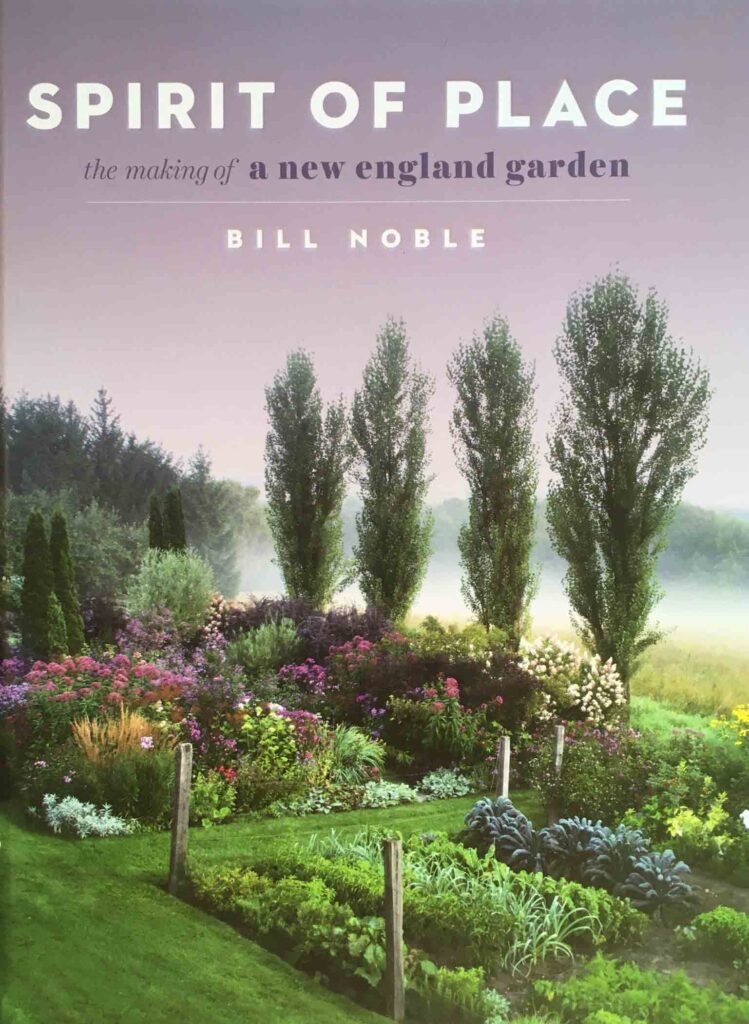
Maybe you aren’t as interested as I am in getting your hands dirty, or perhaps you are. Either way, two books I’ve been enjoying this month are The Artist’s Garden: The secret spaces that inspired great art by Jackie Bennett, and Spirit of Place: The making of a New England garden by Bill Noble. Both are a testament to the joy that is possible right outside your doorstep.

Spirit of Place

Update

I had so much fun with this latest addition to my “selfie project”. Hard to believe as I look at it now, that the leaves hadn’t even fully budded when the photo sent to me was taken. But generally, the image struck me as very hopeful and joyful – a mini-celebration of the fact that spring was on its way, despite our all being confined to home at the time. I’ve tried to use color to help further that feeling.

Adrianna

Adrianna,    ©2020 Elizabeth Fram, Ink, gouache, and colored pencil on paper, 12 x 9 inches

“A Blue As Of The Sea”

In spite of late snows, relentless rain, and cool temps, my garden in June is a reward to be depended upon like a fairy tale’s happy ending. Spring has seemed so late to arrive the last couple of years, and yet checking past entries in my garden journal proves that everything seems to bloom within several days of the same date each year. Nature appears to have a schedule that won’t be denied.

Back Garden

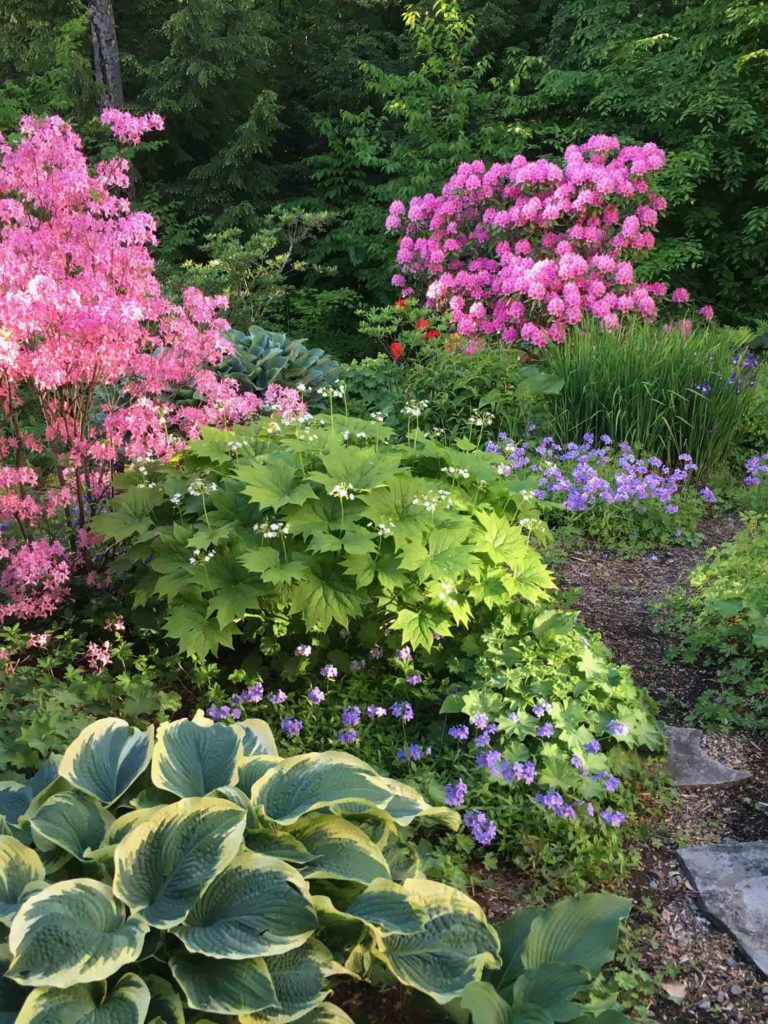
Our back garden

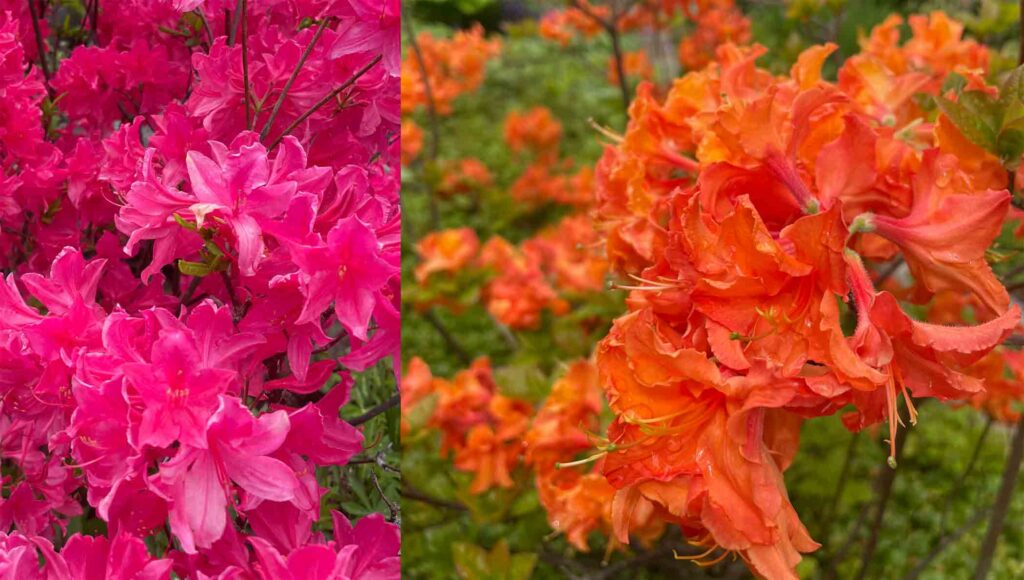
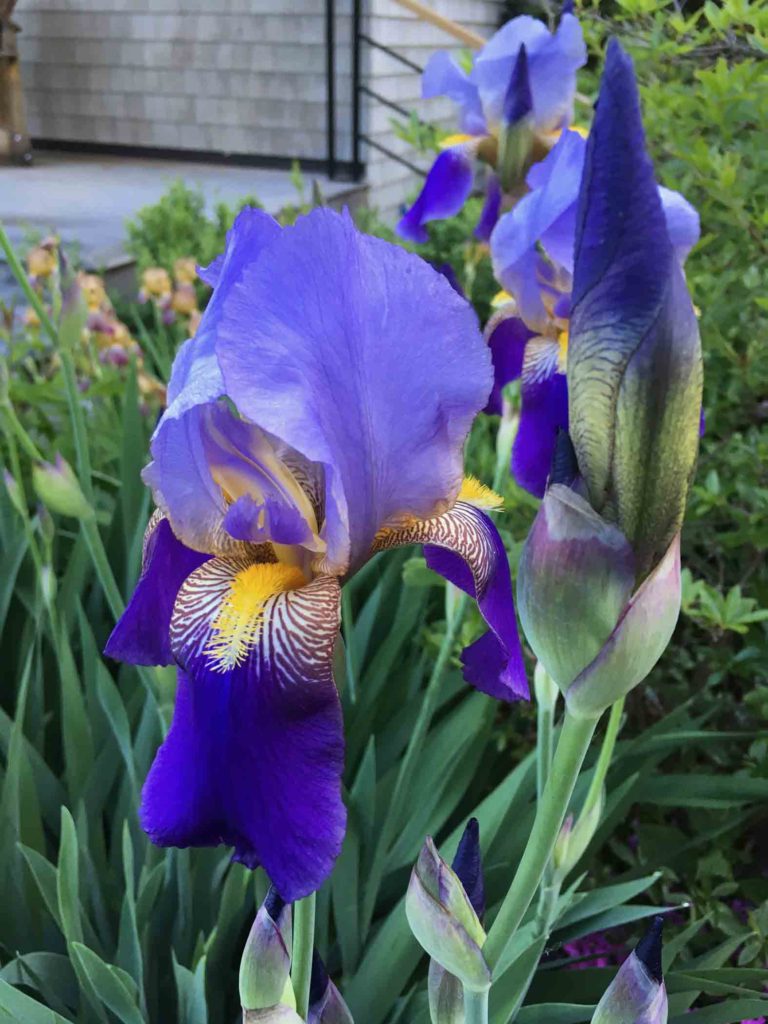
The colors of azaleas, rhododendrons, phlox, and poppies can make one a bit giddy after so many months of deep greens, grays, and brown. But it won’t surprise anyone who knows me that my favorite landmarks for breaking the color fast of Mud Season are the lilacs, lupines, and irises. What could be better than to see a landscape filled with all shades of purple?

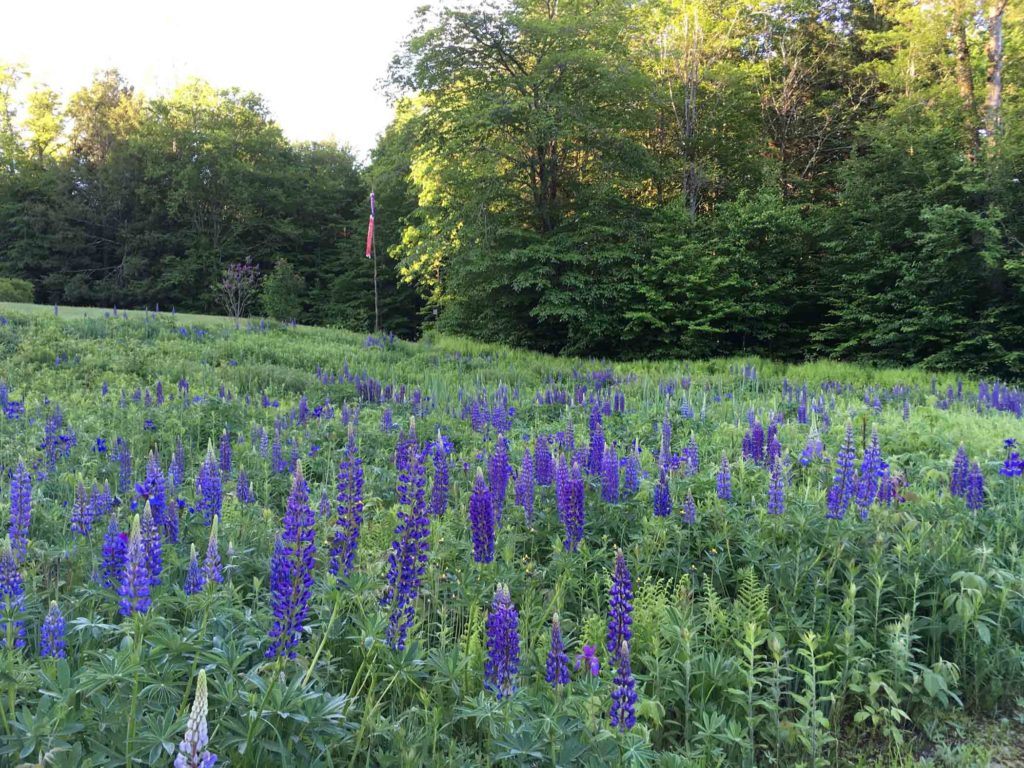
Lupine Field

Each year we scatter more lupine seeds in our wildflower field below the house. They are at their gorgeous peak right now.

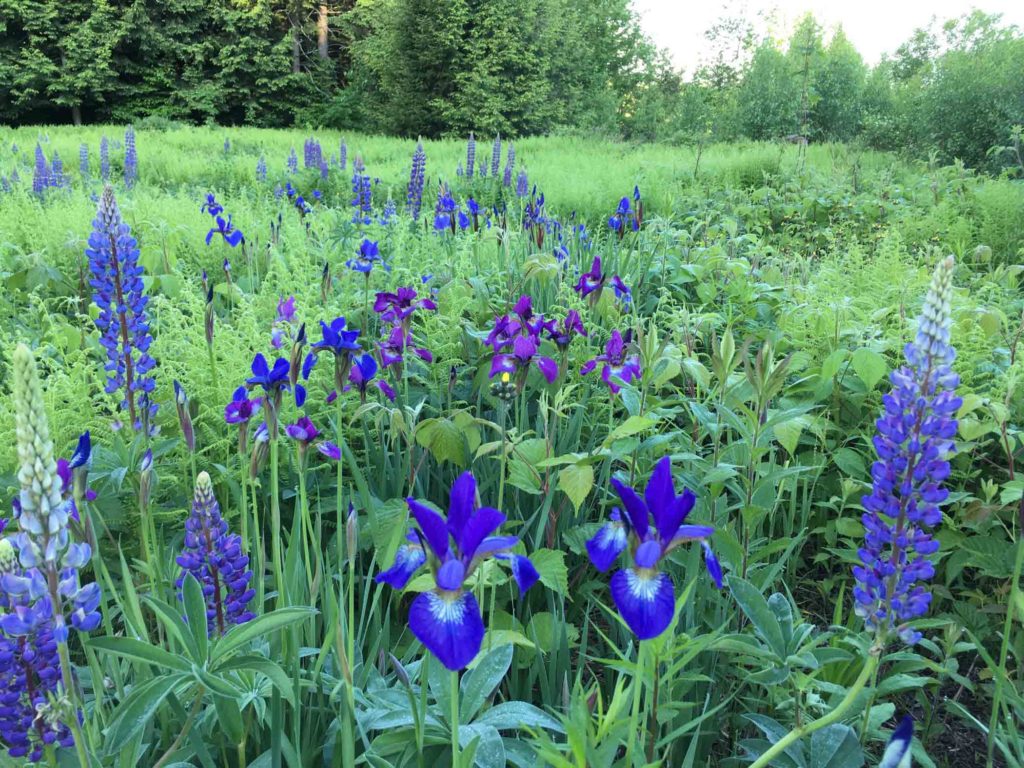
Wild Iris and Lupines

Wild iris are also spreading, adding to my delight.

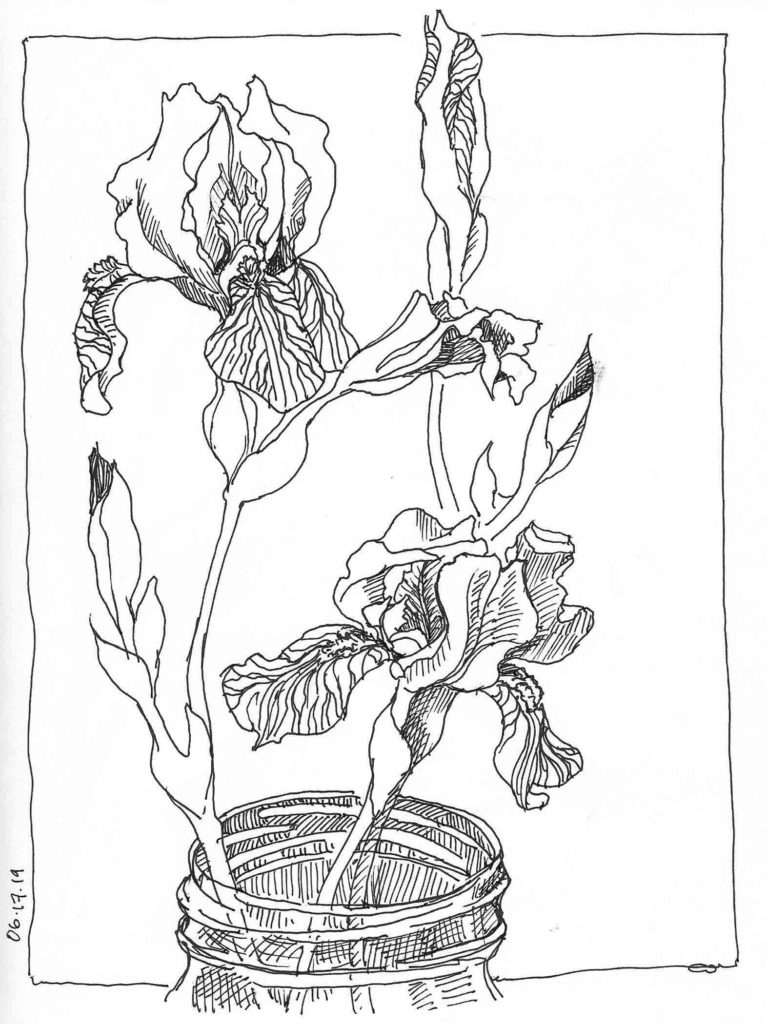
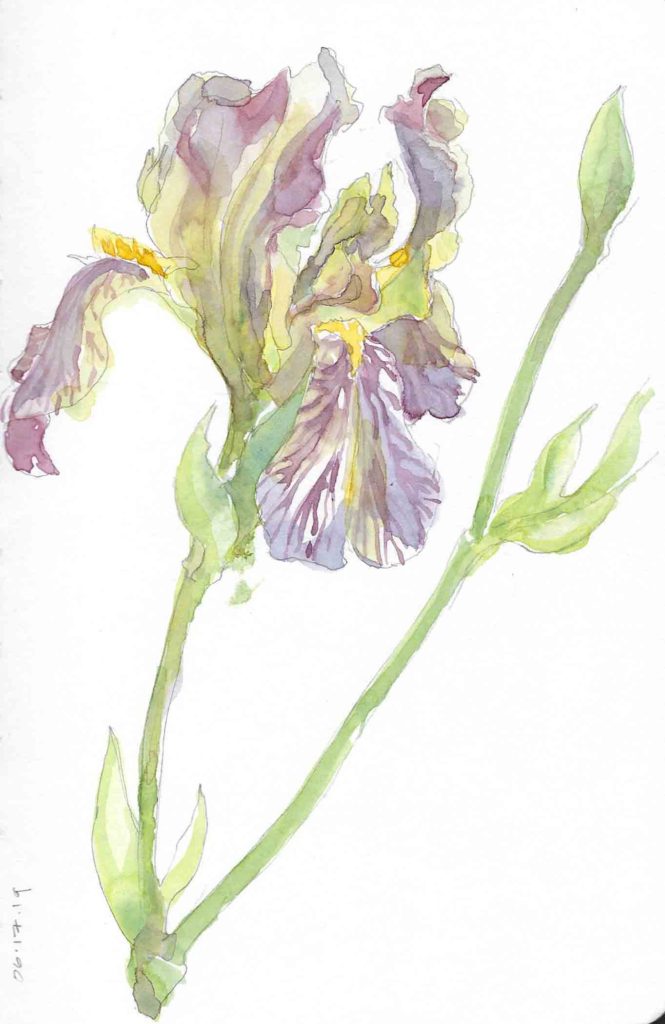
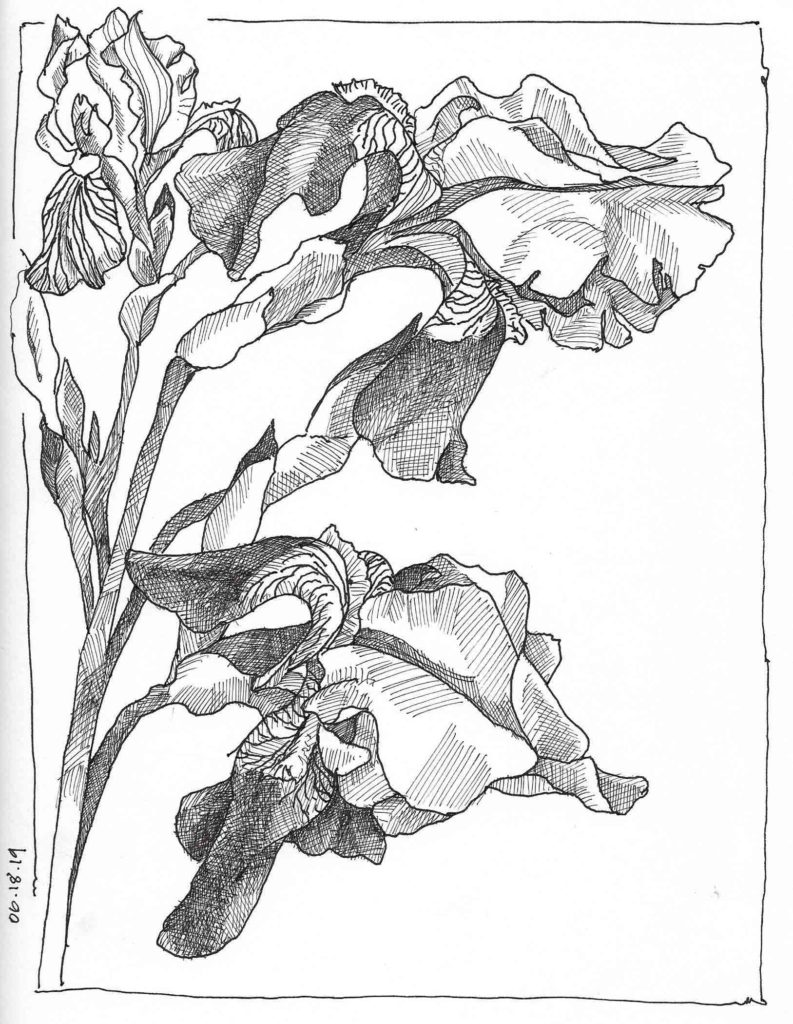
For sketching purposes, one couldn’t ask for more than an iris provides: each bloom presents a rainbow of colors, fantastical shapes, varied textures, and intriguing patterns. And how great it is to be able to look to the garden rather than just my kitchen counters for a suitable subject.


Trish's Gift

Trish’s Gift     ©2019 Elizabeth Fram, 11 x 8.5 in., Ink on paper

Watercolor Bloom

Ruffled     ©2019 Elizabeth Fram, 8.5 x 5.5 in., Watercolor and graphite on paper

Leaning In

Leaning In     ©2019 Elizabeth Fram, 11 x 8.5 in., Ink on paper

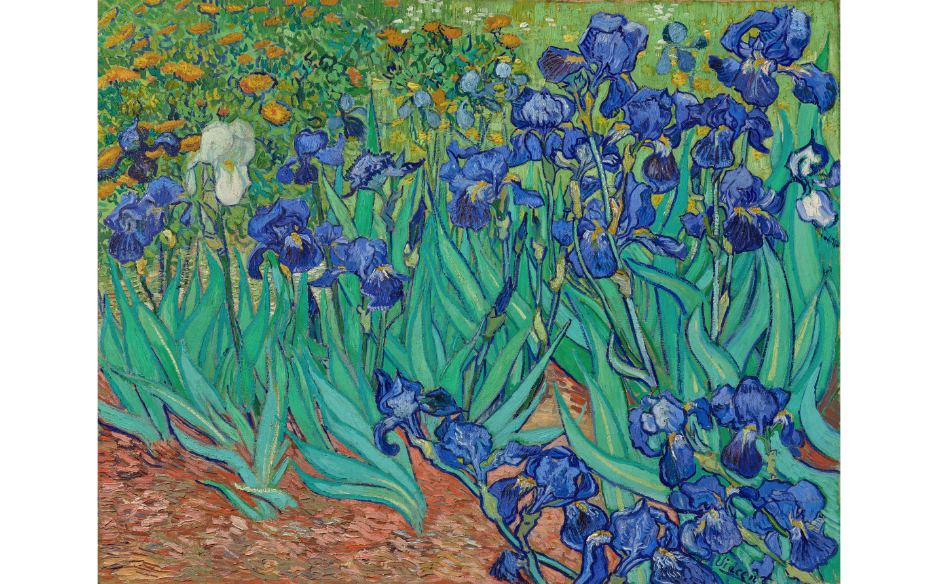
In the 1980s I visited Van Gogh’s striking “Irises” many times at the Joan Whitney Payson Gallery of Art in Westbrook, Maine. Ownership is too strong a word, but I think many Mainers would say they also felt a particular sense of personal attachment to the piece, considering its easy accessibility in such an intimate setting. It was heartbreaking to learn it was going to be lost to the collection in 1987 for financial reasons. It’s now part of the J. Paul Getty Museum collection in Los Angeles – which seems so very far away.

Van Gogh Irises

Vincent van Gogh, Irises, 1889, 29 1/4 x 37 1/8 in., Oil on canvas       Collection of J. Paul Getty Museum

On a happier note, I always loved William Carlos Williams’ poem “Iris”, from his Pictures from Brueghel collection. He caught the essence of the bloom’s exuberance so well.

Iris

A burst of iris so that
come down for
breakfast

We searched through the
rooms for
that

sweetest odor and at
first could not
find its

source then a blue as
of the sea
struck

startling us from among
those trumpeting
petals

Garden Iris


Pyrotechnic Analogies

With all the rain we’ve had this summer, my garden is especially lush.
And while, as I’ve written before, I love the quiet and visual restraint of a winter landscape, these months of vibrant color definitely serve to recharge my batteries to carry me through the more subdued seasons ahead. In February I’ll look back at pictures taken around my yard from June through October and they’ll seem almost impossibly luxuriant.

If given a choice, I am overwhelmingly partial to purple, particularly the shade that hovers over the line between blue and violet. I have a delphinium, planted several years ago, that fully came into its own this summer. I can’t get enough of the depth and layers of color within its blooms, even as it slowly fades. It is placed so that I can see it up close just as easily from inside the house as when outside. I’ve been watching it attentively and think its dramatic change from sprigs of branched buds to full-on sprays of exuberant blossoms has been equivalent to a fireworks display in slow motion.

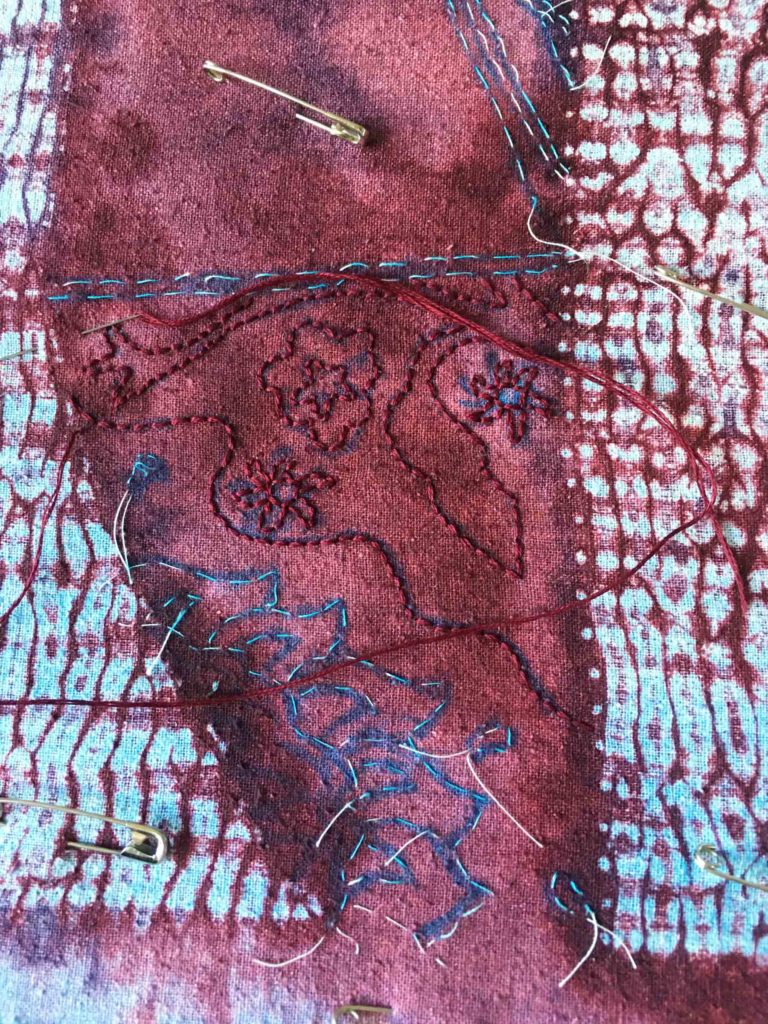
Embroidery part one

© 2017 Elizabeth Fram, Dye and stitching on raw silk

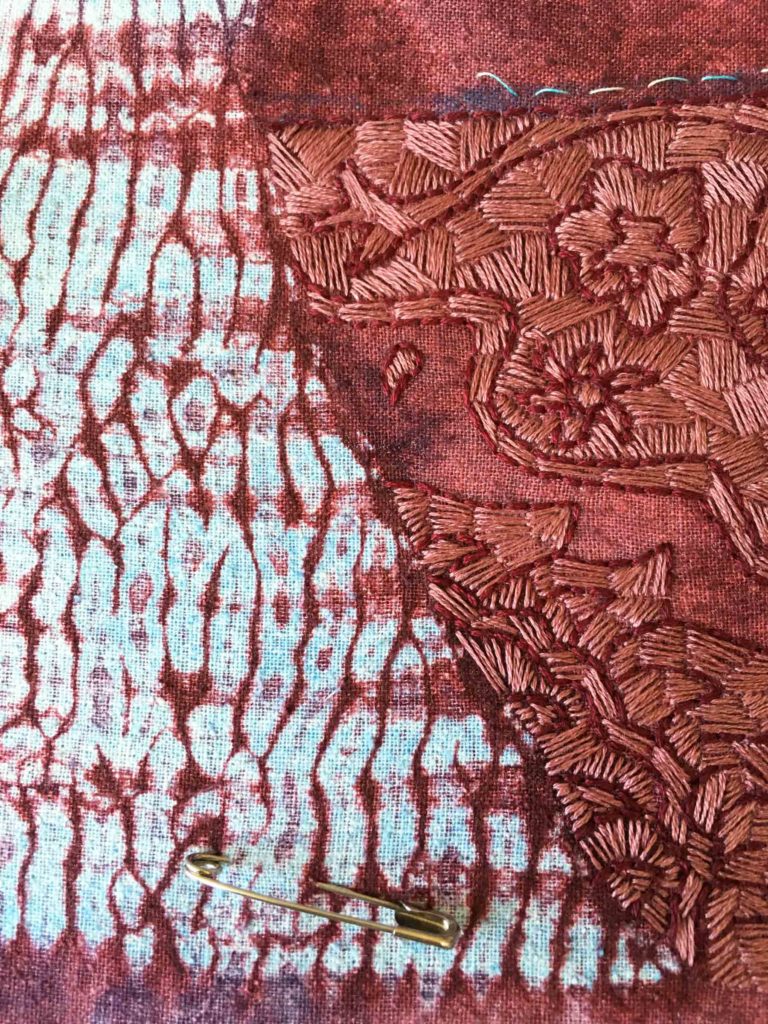
I suspect being steeped in this beautiful blue had a subconscious influence on choice of dye color in my current textile piece. But also, the section I’ve been working on/stitching this week certainly seems to echo this idea of slow motion reward: a measured start building into a crescendo of stitched pattern.

Embroidery part 2

©2017 Elizabeth Fram, Dye and stitching on raw silk

Hopefully I can carry the spirit of that idea forward with the next steps I have planned.

Speaking of fireworks, I’ve had them on my mind since finishing The Book of Fires by Jane Borodale. It’s a fictional tale of 18th century London that is most interesting for its view into the workshop of a fireworks maker, paired with the harsh realities of the daily workings of life in that time and place. It’s the author’s debut and a quick, entertaining read if you’re looking to add one last title to your summer reading list.

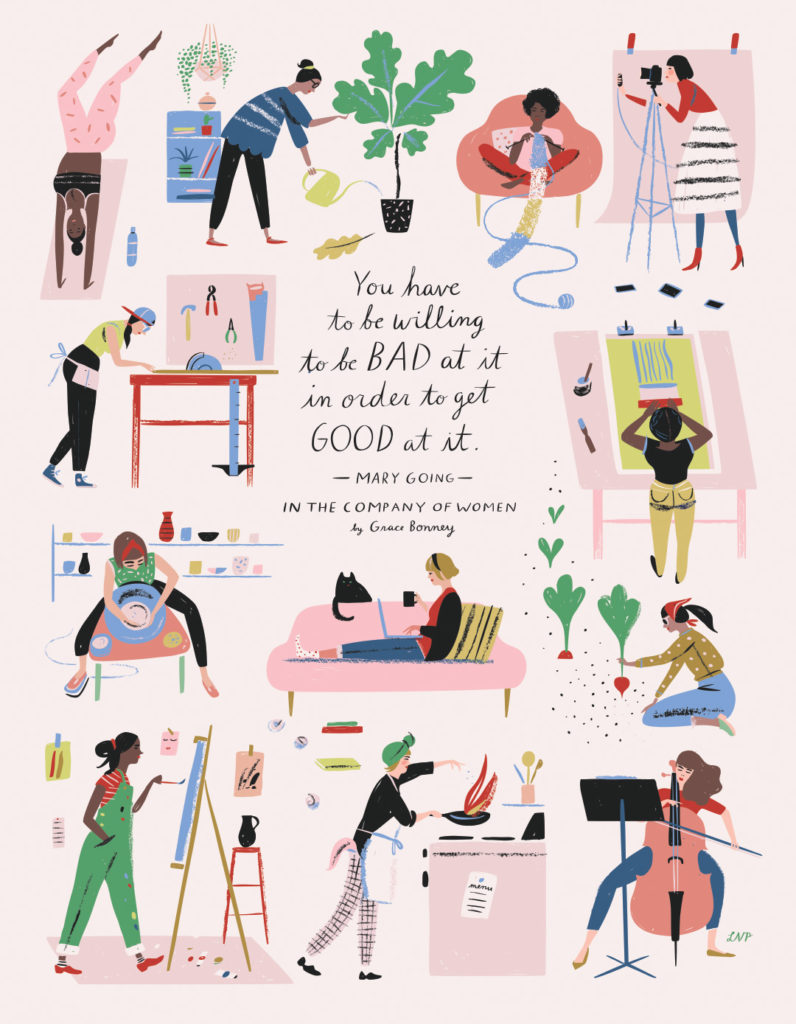
And finally, I love the wisdom of this poster by Libby VanderPloeg. It appeared this week on Sara Barnes’ illustration blog, Brown Paper Bag. It should be my daily mantra. What are you working to get good at?

VanderPloeg poster

Libby VanderPloeg

Artists = Gardeners = Artists

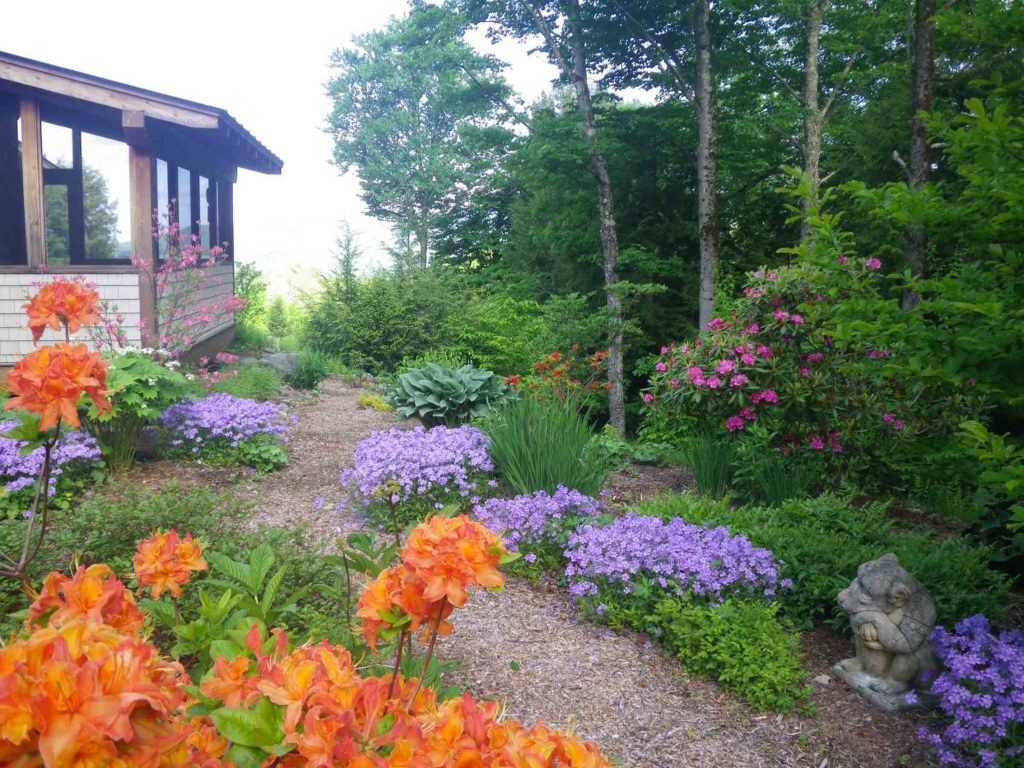
This past week my garden has burst with color. After months of living within a subdued landscape that quietly displayed spare beauty in the structure of trees, accented with the muted tones of last year’s dropped foliage, it’s pure joy to become re-immersed in full-on color!

GardenThree

Most artists I know are gardeners, and vice versa — although I wonder, do gardeners think of themselves as artists? They should; we share a love of color, form, texture and pattern, and of course a willingness to accept the challenge of arranging all those elements within a composition. This past post about Vermont artist David Stearns’ beautiful garden is a case in point.

GardenTwo

The overlap between the two disciplines is deeply ingrained for many of us. I have written in countless artist statements how formal Japanese gardens have been a huge inspiration to me, not just in their physical attributes, but in the way they direct one’s attention and how they make one feel while wandering along their paths. I continue to aspire toward that ability to say more with less in my own work.

GardenFour

But for now, I am just soaking up the pure lushness of this year’s new growth and am grateful to live where the seasons vary so strongly that as each one arrives we are ready and glad for the change.

GardenSix

Two treasured books on my shelf, each an inspiration, are ZEN|FLOWERS: contemplation through creativity by Harumi Nishi and The Flower Recipe Book: 100 Magical, Sculptural, Seasonal Arrangements by Alethea Harampolis and Jill Rizzo. They straddle the line between art and flora and offer a new way to think about both, together.

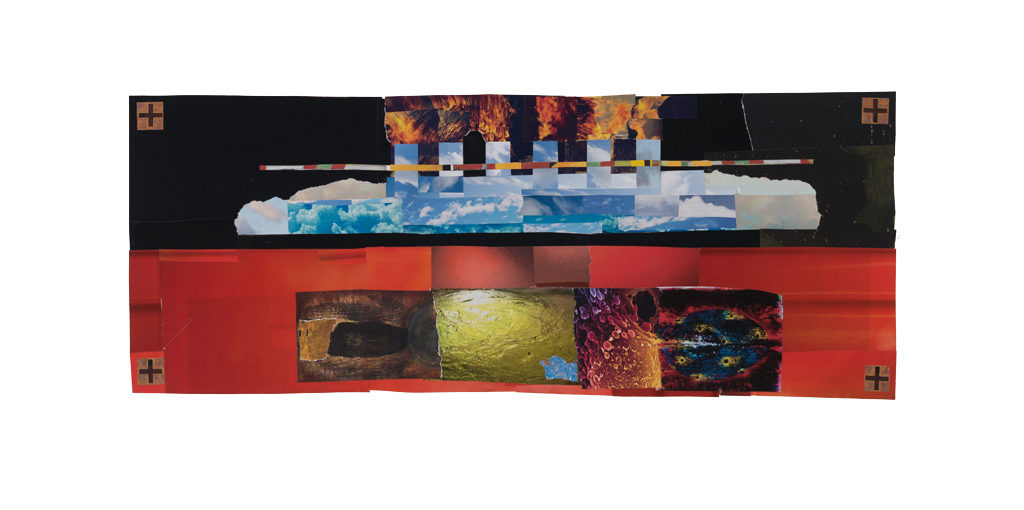
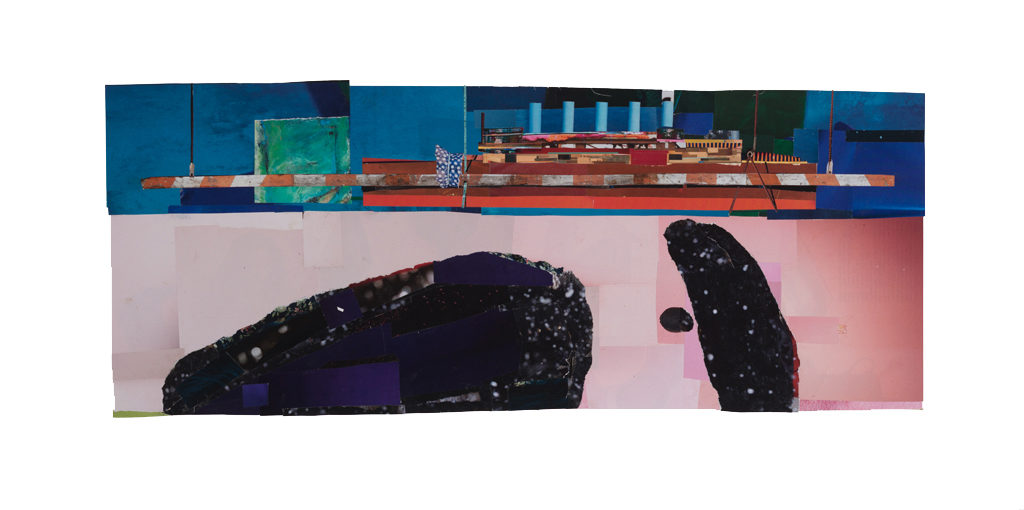
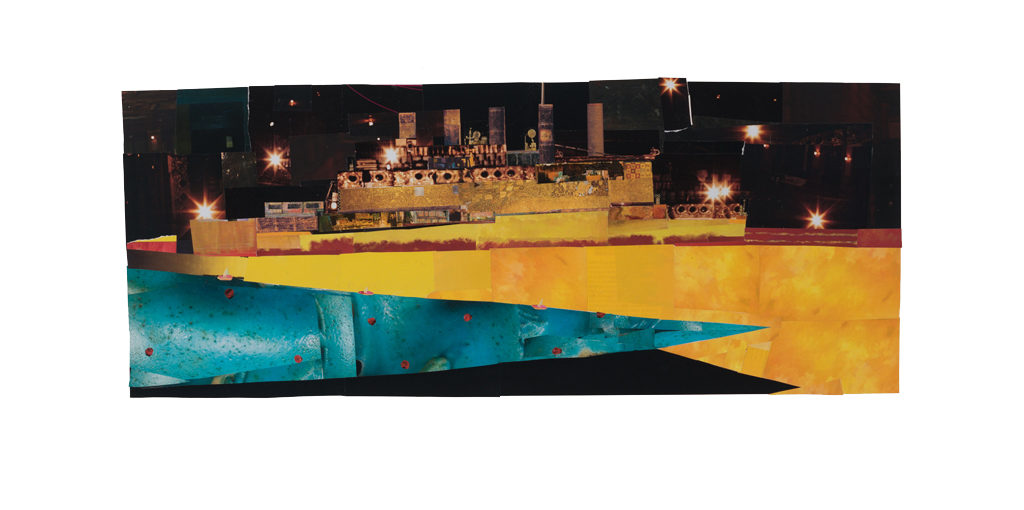
Happily, this past weekend I heard back from Arthur Schaller, the collage artist I wrote about last week, with permission to post images of his work. Here’s a quick taste that will hopefully entice you to see the work in person if you can get to the Vermont Supreme Court gallery before the end of June.

Schaller1

© Arthur Schaller

Schaller3

© Arthur Schaller

Schaller2

© Arthur Schaller

And finally, I am honored to have been asked to be in Across Roads Center for the Arts’  “Artist Spotlight” this month. The interview is available to be read here.

GardenSeven