Category Archives: Discussion

Staying on Track

This has been a week!

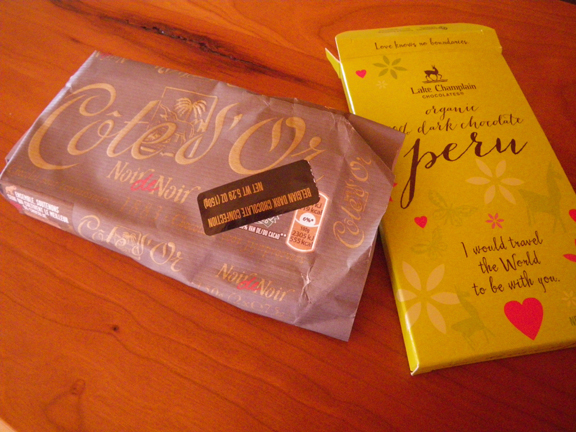
Chocolate

No explanation needed

It has included some wonderfully exciting news, and a couple of relatively challenging episodes as well. C’est la vie, n’est pas?

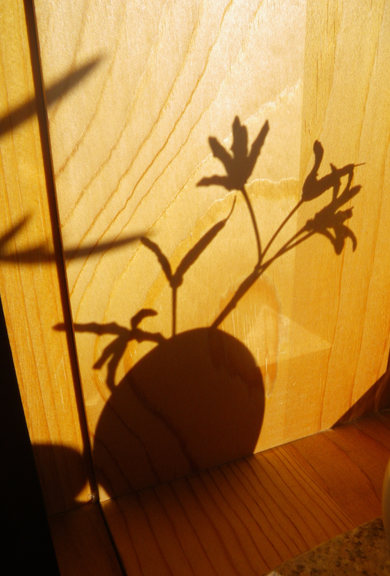
Shadow

Late afternoon sun

That said, everything seems to be taking twice as long as usual to accomplish, so I’m scrambling to keep up with my task list and have fallen into triage mode. Sound familiar?

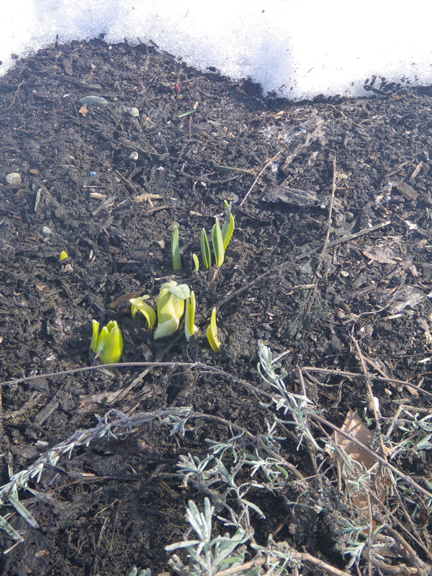
Daffodils

Promise of things to come

Rather than spend as much time on Eye of the Needle this week, I decided to approach it as a working break before getting back to more pressing chores.

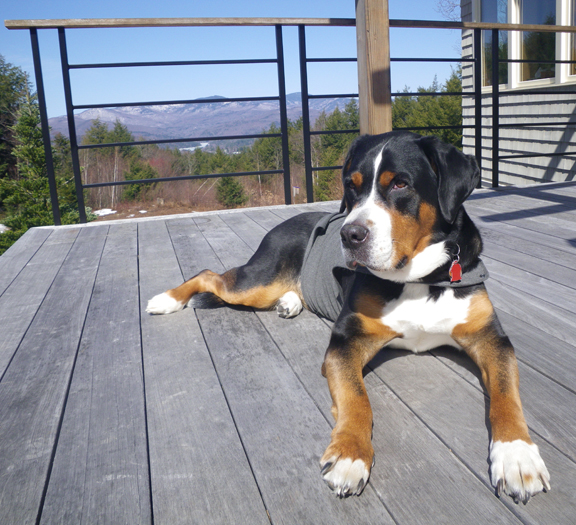
Lola Porch

There’s nothing like lunch (in the sun, no less!) on the porch with someone who really knows how to relax

It’s been a worthwhile exercise to notice and celebrate a few of the everyday things that have the power to keep me centered and on track.

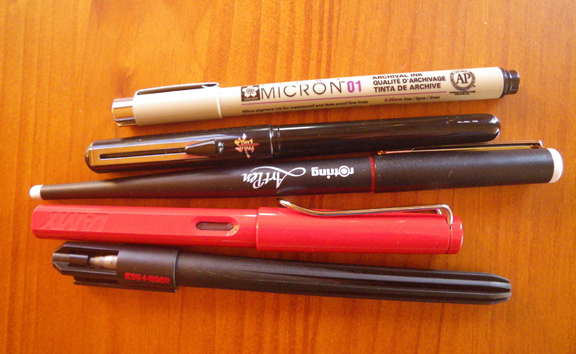
Drawing Pens

Favorite drawing pens

I know you too must have weeks that get away from you. Are you willing to share how you find your silver lining?

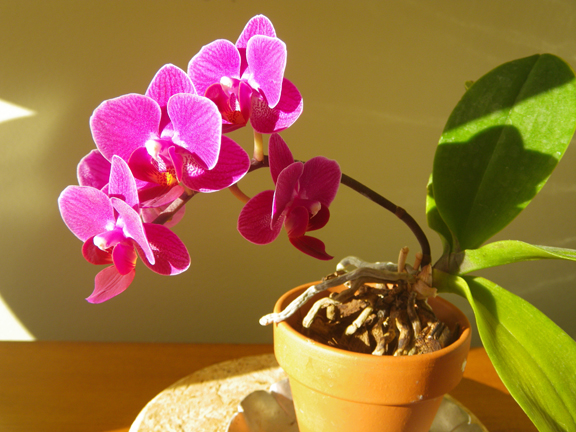
Orchid

So worth the wait!

A “Top Ten” for All of Us

In my reading this week, I ran across what amounts to a “top ten” list of ideas for artists that I think merits sharing. I hope you will agree.

TERESITA FERNÁNDEZ:  Fire, 2005 silk yarn, steel armature, epoxy 96 x 144 diameter inches 243.8 x 365.8 cm In collaboration with The Fabric Workshop and Museum, Philadelphia Collection San Francisco Museum of Art

Offered as the concluding advice in sculptor Teresita Fernández’s 2013 commencement address to the graduates of Virginia Commonwealth University’s School of the Arts (her alma mater), she speaks from a place of humble accord with the young artists she is addressing. Eschewing the usual platitudes often shared at such an occasion, Ms. Fernández instead acknowledges, among other  lessons, the power of failed attempts and useless knowledge.  She elaborates on the distinction between the inside and the outside of success in a way we can all appreciate and understand, underlining that being an artist stretches beyond what is accomplished in the studio; all facets of one’s life will be reflected in the resulting art.

TERESITA FERNÁNDEZ:  Night Writing (Hero and Leander), 2011 colored and shaped paper pulp with ink jet assembled with mirror 49.21 x 66.14 inches (work), 125 x 168 cm 55.25 x 72.25 x 2.75 inches (framed), 140.3 x 183.5 x 7 cm Edition of 1 In collaboration with Singapore Tyler Print Institute

For me, the most appealing aspect of this list is that it’s not just for those who are starting their career; it is fully applicable regardless of how long you have been at it, your age, your level of success, or your geographical location. I truly appreciate how “down to earth” these maxims are, reflecting the humble and inclusive nature of Ms. Fernández’s approach, in spite of her vast accomplishments and the prestigious awards she has received. What a breath of fresh air!

If you’re interested in reading the full address “On amnesia, broken pottery and the inside of a form” click here.  It’s well-worth your time.

But for now, here is her list of 10 practical nuggets that have assisted her, and will hopefully benefit the rest of us as well. I have my favorites that will be tacked to the wall of my studio, I wonder which of these will resonate with you.

TERESITA FERNÁNDEZ:   Ink Sky 2 (detail), 2011 anodized aluminum black mirror, hooks, rhodium plated chains, galena rocks 34 x 96 x 132 inches 86.4 x 243.8 x 335.3 cm Edition of 2

1. Art requires time, there’s a reason it’s called a studio practice. Contrary to popular belief moving to Bushwick, Brooklyn this summer does not make you an artist. If in order to do this you have to share a space with five roommates and wait on tables, you will probably not make much art. What worked for me was spending five years building a body of work in a city where it was cheapest for me to live, and that allowed me the precious time and space I needed after grad school.

2. Learn to write well and get into the habit of systematically applying for every grant you can find. If you don’t get it, keep applying. I lived from grant money for four years when I first graduated.

3. Nobody reads artist’s statements. Learn to tell an interesting story about your work that people can relate to on a personal level.

4. Not every project will survive. Purge regularly, destroying is intimately connected to creating. This will save you time.

5. Edit privately. As much as I believe in stumbling, I also think nobody else needs to watch you do it.

6. When people say your work is good do two things. First, don’t believe them. Second, ask them WHY? If they can convince you of why they think your work is good, accept the compliment. If they can’t convince you (and most people can’t) dismiss it as superficial and recognize that most bad consensus is made by people simply repeating that they “like” something.

7. Don’t ever feel like you have to give anything up in order to be an artist… I had babies and made art and traveled and still have a million things I’d like to do.

8. You don’t need a lot of friends or curators or patrons or a huge following, just a few that really believe in you.

9. Remind yourself to be gracious to everyone, whether they can help you or not. It will draw people to you over and over again and help build trust in professional relationships.

10. And lastly, when other things in life get tough, when you’re going through family troubles, when you’re heartbroken, when you’re frustrated with money problems, focus on your work. It has saved me through every single difficult thing I have ever had to do, like a scaffolding that goes far beyond any traditional notions of a career.
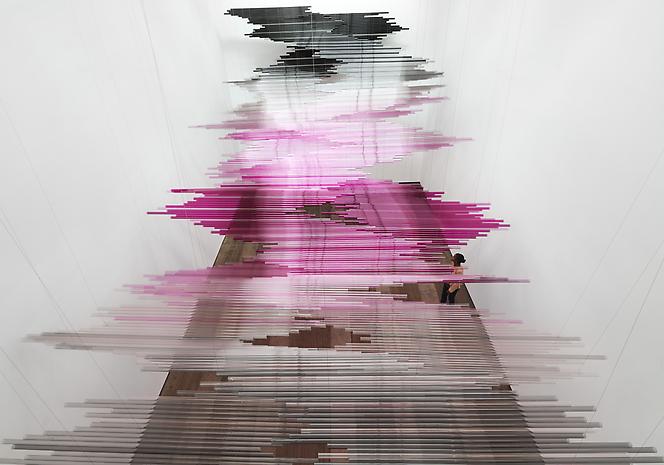
TERESITA FERNÁNDEZ: Night Writing Installation view, Lehmann Maupin Gallery, 201 Chrystie Street September 12 – October 20, 2012

 Further info:
In Sickness and in Health

Cold and flu season is still alive and kicking in Vermont, as I learned all too well this past weekend.

Having known for a while that I would be on my own this week, I had been looking forward to delving into a growing list of projects that have been sitting on the sidelines for months. Being laid low by the flu wasn’t part of the equation, but as they say: “The best laid plans…”

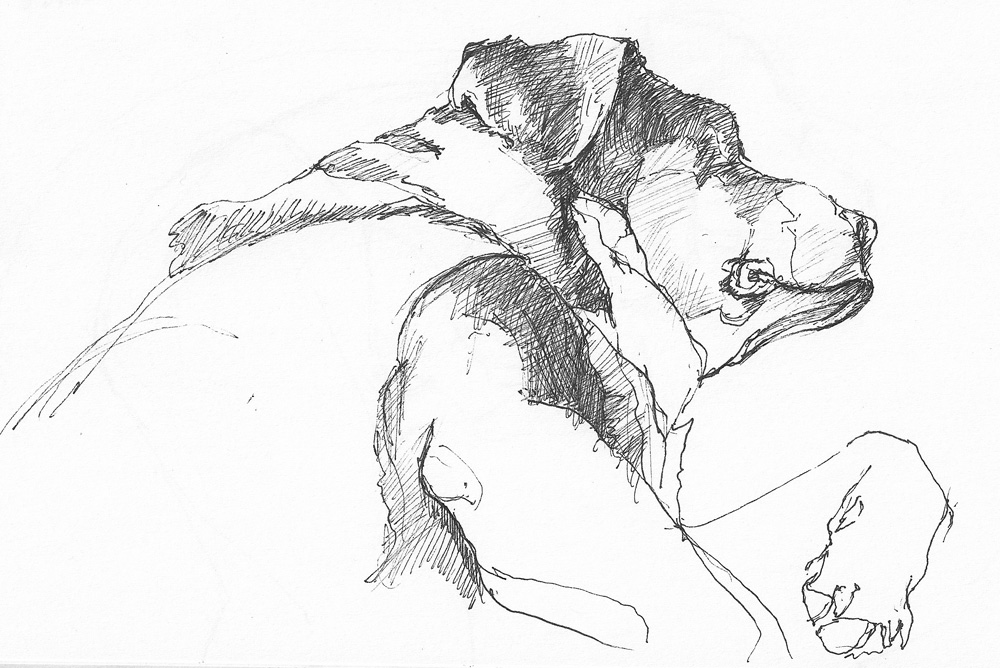
LolaSnoozeWhiteWeb

Lola Snoozing    ©Elizabeth Fram

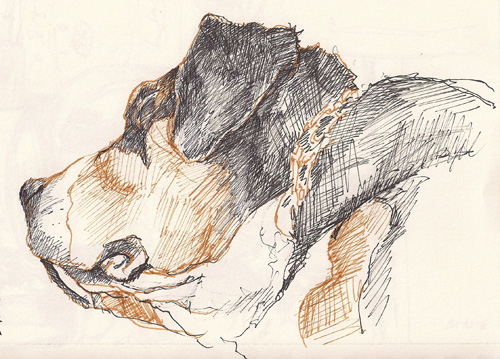
However, I can’t complain. Once I felt well enough to get my head up off the pillow, I could get back to work — of a fashion. One of my goals was to devote a solid portion of  time to drawing, &  it has still been possible to follow through, albeit at a slower pace and within a more limited scope. But the bottom line is the work was there, ready and waiting, once I could sit up.

I often think about how art is with us for life. It sticks by our side through thick or thin, no matter the circumstances. You just have to find a way to allow it to come through.

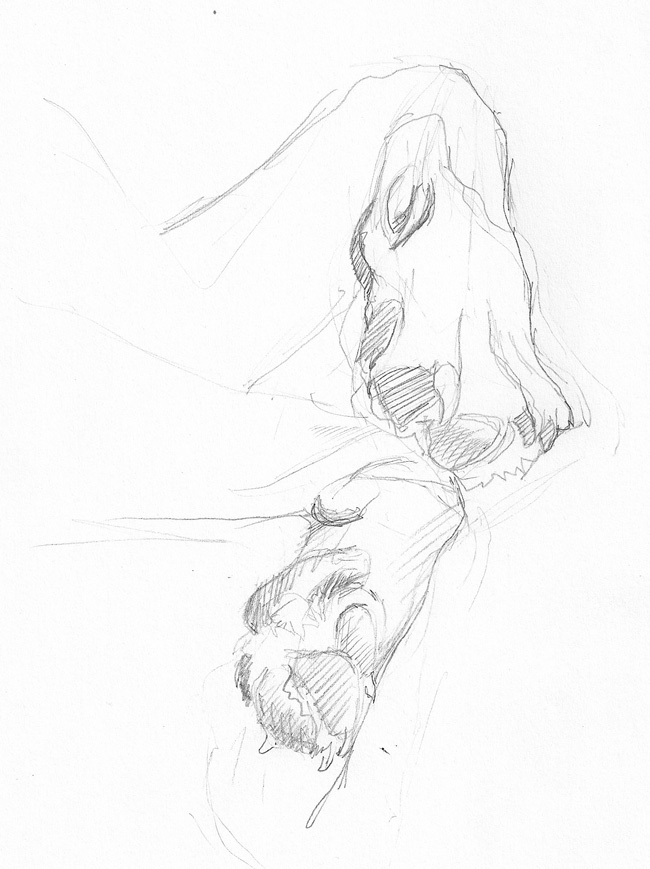
PawsWeb

Paw Study    ©Elizabeth Fram

Food for thought: Frida Kahlo began painting while bedridden after a horrendous accident when she was 18. By using an easel that was modified to allow her to paint from a reclining position, she was able to persevere for the rest of her life, even while recovering from countless surgeries and being confined within a body cast.  Henri Matisse, coped with chronic illness the last 14 years of his life, yet at the same time began a brilliant new chapter in his career with his “Cut-Outs”. And Chuck Close has stated that the learning disabilities of dyslexia and prosopanosia (the inability to remember faces) drove him to paint portraits. Becoming suddenly paralyzed in 1988 pushed his work to new heights in his quest to adapt to his limited movement.   These are just three examples of artists whose work never faltered despite debilitating illness or disability, and whose genius perhaps became all the more apparent because of it.  The drive to keep working was greater than the obstacles presented to them.

That said, a little stomach bug barely merits mentioning, but my point is — regardless of your stature, the work is there for all of us — waiting to adapt in whatever way needed. You just have to give it the go-ahead.

HeadWeb

Nap #2    ©Elizabeth Fram

– With gratitude to Lola, patient model, who endured several days in a row without a walk.

What Do You Think?

Have you read “The Death of the Artist — and the Birth of the Creative Entrepreneur”, William Deresiewicz’s article from the January/February 2015 issue of the Atlantic magazine? Judging from the number of references to it that have appeared lately, it has obviously struck a nerve and I highly recommend you check it out.

Jason Horejs of Red Dot Blog wrote an interesting response that I feel strikes a worthy note — and I would encourage you to read his rebuttal after you’ve had a chance to first read Deresiewicz’s article. My thoughts below hinge on both and I would love to hear what you think as well.

Crop1 copy

While I think Deresiewicz has opened an interesting discussion that poses worthwhile food for thought, I won’t be losing any sleep over his conclusions. For me, his theory and accompanying reasoning that art and artists are disappearing, falls into the same category as the exhaustingly overwrought discussion of “Art vs Craft”. I would suggest we not waste precious time debating semantics and rather devote our energy to amassing either our 10,000 hours…or the 10,000 contacts he references, whichever you feel will best serve your vision of the path you have chosen.

The bottom line is that art is subjective. Period. It’s a source of unending debate; one that has no definitive answer one way or another despite whatever schooling, patronage, or professionalism an individual may accrue.

Regardless of how the marketplace and society has affected the way we regard “artists” through the centuries, there will never be a definitive formula for outlining who exactly is worthy of the appellation. There have always been and will continue to be those who make great work who are ignored and rejected during their lifetime, while there will be others who are greatly celebrated but with whom many cannot find any connection. That, for good or bad, seems to be an inherent part of the deal we enter into when we decide to share our work beyond the walls of our studios.

The most salient point is the one Mr. Horejs makes toward the end of his rebuttal:                  “Mr. Deresiewicz fails to realize that the desire to create is as old as mankind, and that as long as humanity exists there will be those among us who strive to create works of art that have the ability to leave the rest of us in absolute wonder.”                                                            To take it a step farther, I would strike the phrase “…that have the ability to leave the rest of us in absolute wonder”, as the thought is self-sufficient without that qualifier. Many of us make/create because we wouldn’t know how not to, because we see and absorb the world around us in a way that insists a response. We strive to create wonder in our viewers, but will continue to work despite falling short of that goal. That said, the cream will rise to the top regardless of how it is bottled.

In his recent lecture at the University of Vermont, (grab yourself a cup of tea and enjoy it via this link) author Salman Rushdie asserted that there isn’t a better description of what Art attempts than:  “to open up the Universe a little more”. He went on to say that “what art tries to do is to increase by some degree the sum total of what it is that we know, what it is that we understand, what it is that we see, and therefore in the end, what it is possible for us to be”. Isn’t that what we are seeking when we read, go to the theater, museum or a gallery…or (gasp) even buy something handmade on Etsy? I think the key point Rushdie makes revolves around the sharing of art and the communing that occurs between creator and observer as the art, in whatever form, is experienced.

We make because we have to. But the icing on the cake is connection, of feeling that you have cracked open the universe, even ever so slightly, so as to share what you have seen with someone else.

Long live the artist.

Crop3